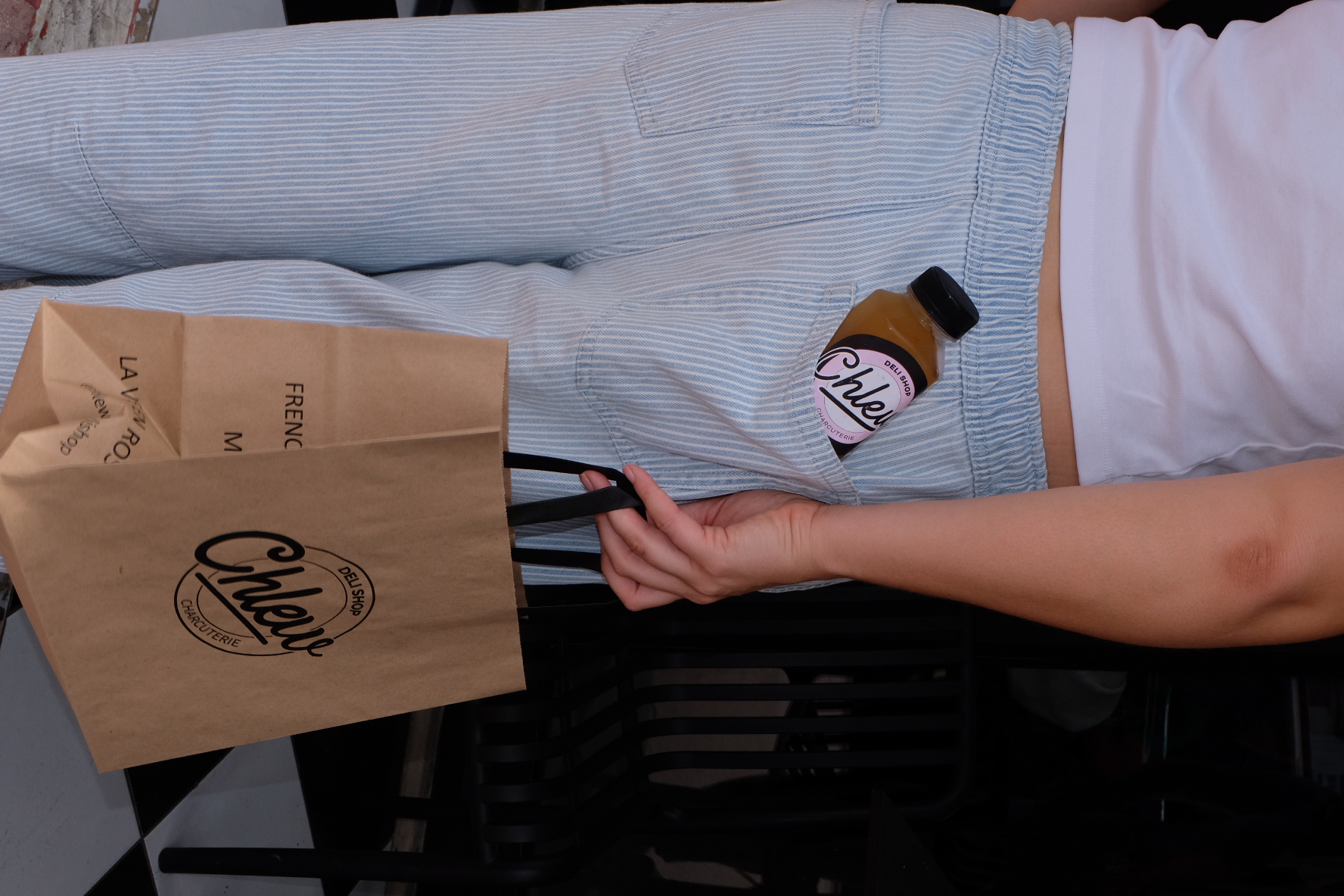
Chlew Delishop Miami is a French deli built around build-your-own sandwiches, charcuterie boards, and catering, with a tagline, "La vie en rosette," that tells you almost everything about the brand's sense of humor before you've read a single caption. When One Media Society took on Chlew's social media management, the brief was specific: three to four posts a week, iPhone-only content, daily community management, and a mandate to build an engaging local community rather than chase generic reach.
The short version: Chlew's social strategy works because the brand defined exactly what it is and isn't before writing a single caption, then built a content system, staff features, sandwich-building videos, in-store moments, around that definition instead of generic food-brand content.
What makes Chlew different from a typical deli account?
Chlew's own brand foundation is unusually specific. The business describes itself in one sentence as a French deli working with fresh ingredients, offering build-your-own sandwiches, charcuterie boards, and catering. What sets it apart, by the brand's own account, is generous portions, real quality of ingredients, and French-inspired products and technique. Three words are meant to describe the brand at all times: witty, trendy, and community-focused, generous. Three words are banned entirely: serious, boring, and "the same as everyone else." That kind of explicit, opinionated brand definition is rare, and it's what makes the content strategy easy to keep consistent across a high posting cadence.
Who is Chlew actually trying to reach?
The brand's own read on its audience is broader than a typical deli's: young customers, but explicitly not exclusive of any age group. More telling is the comparison set Chlew uses for its own positioning, brands like KITH and Supreme, streetwear labels known for cultural relevance and community devotion rather than anything food-related. That comparison shapes the content: Chlew isn't trying to look like a traditional deli account. It's trying to earn the same kind of loyalty a hype streetwear drop earns, applied to a sandwich.
How does the content strategy turn that positioning into actual posts?
Lead with staff, not just product
The content that has performed best for Chlew, by the brand's own account, is interview-based videos of staff and videos of sandwiches actually being built. Both formats do the same job: they put a real person in front of the camera instead of a static product shot, which fits directly into the brand's community-first goal. Our broader breakdown of why this works is in founder and staff-led storytelling as a marketing strategy.
Keep production intentionally unpolished
The scope calls for iPhone-only content, a deliberate choice, not a budget constraint. Overproduced content would work against a brand built on approachability and "quality and portions," not aesthetics. The lower production bar also makes a higher posting cadence, three to four times a week, realistic to sustain without burning out a small team.
Manage the community daily, not just the content
Chlew's scope includes daily community management alongside the posting cadence itself. For a brand explicitly trying to make people feel like they're "part of a community" the moment they walk in, replying to comments and DMs promptly is not a support function, it's part of the marketing.
Stay open to trend formats without losing the voice
Chlew's team signaled explicit openness to experimenting with new content formats and trend-based Reels. The constraint isn't format, it's voice: whatever the format, the three banned words, serious, boring, generic, still apply.
What does success actually look like for a brand like this?
Chlew defined success in concrete, unglamorous terms: traffic from social media into the physical store within 90 days. That's a meaningfully different goal than follower growth or engagement rate, and it shapes what the content is supposed to do. Every post needs a plausible path from a phone screen to a walk-in customer, whether that's a location-tagged Reel, a staff feature that makes the shop feel familiar before a first visit, or a customer spotlight that works like a testimonial.
What can other hospitality and specialty food brands take from this?
Chlew's approach generalizes well beyond one deli. Defining explicit brand language, in this case, three words a brand must always be and three it must never be, keeps a content calendar consistent even when multiple people are producing it. Choosing a comparison set outside your own category, streetwear brands instead of other delis, is a useful exercise for any hospitality brand trying to differentiate rather than blend in. And measuring success by foot traffic rather than vanity metrics keeps a social strategy honest about what it's actually for. For more on how creator and community strategy plays out for hospitality brands specifically, see our hospitality marketing playbook and our case study on Hikari and Kosher In Style, another Miami food business built on values-aligned, community-first content.
Frequently asked questions about social media for specialty food shops
How often should a specialty food shop post on social media?
Three to four times a week is a sustainable cadence for a small team, provided the content stays intentionally simple, like iPhone-only video, rather than requiring a full production setup each time.
Should a food brand use professional photography or phone content?
It depends on brand voice. A polished, aspirational brand may need professional photography. A brand built on approachability and community, like Chlew, often performs better with unpolished, authentic phone content that doesn't read as an ad.
What's a realistic goal for a local food brand's social media in the first 90 days?
Foot traffic from social to the physical location is a more useful early goal than follower count. It's directly tied to revenue and easier to track through in-store conversations and location-tagged content performance.
How important is daily community management compared to posting content?
For community-first brands, it's equally important. Responding to comments and DMs promptly is often what turns a follower into a repeat customer, especially for a brand whose whole positioning depends on feeling like an insider community.
One Media Society is a Miami-based digital marketing agency working with restaurants, delis, and specialty food shops across South Florida. See more of this kind of hospitality content work on our case studies page or visit our Miami marketing agency page to learn more.